~/slashes/discs
This is a /discs page, similar to a /top4 but with more entries, and loosely based on the Desert Island Discs format (fuzzy justification here). Here are 8 albums and 8 books that I would be content to be the only media I consume for the rest of my days.
Music
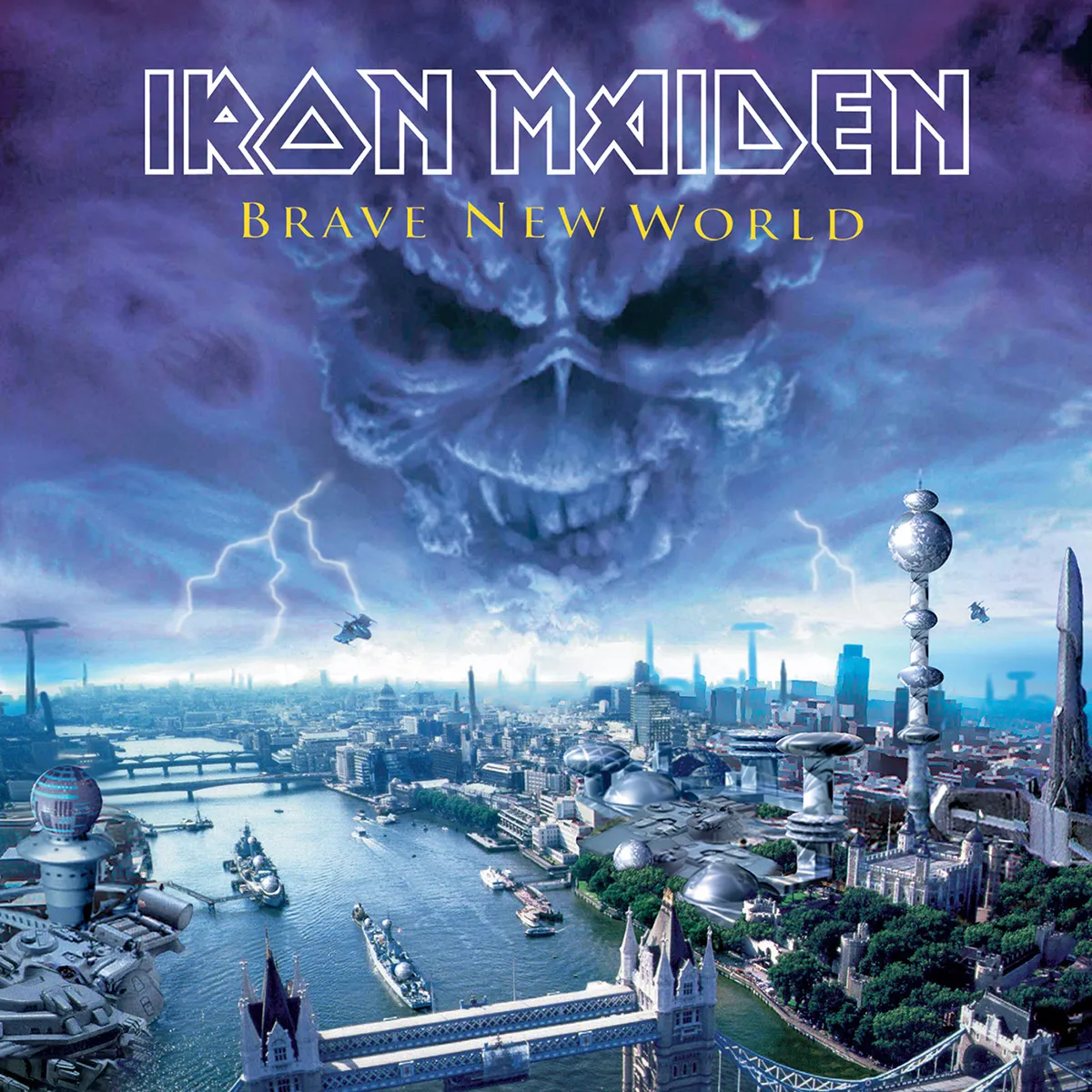
Brave New World by Iron Maiden
Iron Maiden's twelfth studio album is by far my favourite. There's a good balance of epics with shorter tracks, and everything from the writing to the performances are a solid 10/10. There isn't a bad song here, as far as I'm concerned. I've played about half of these live, and they are The Most Fun to play. I will never get bored of this. My favourite track (currently, I come and go) is Ghost of the Navigator.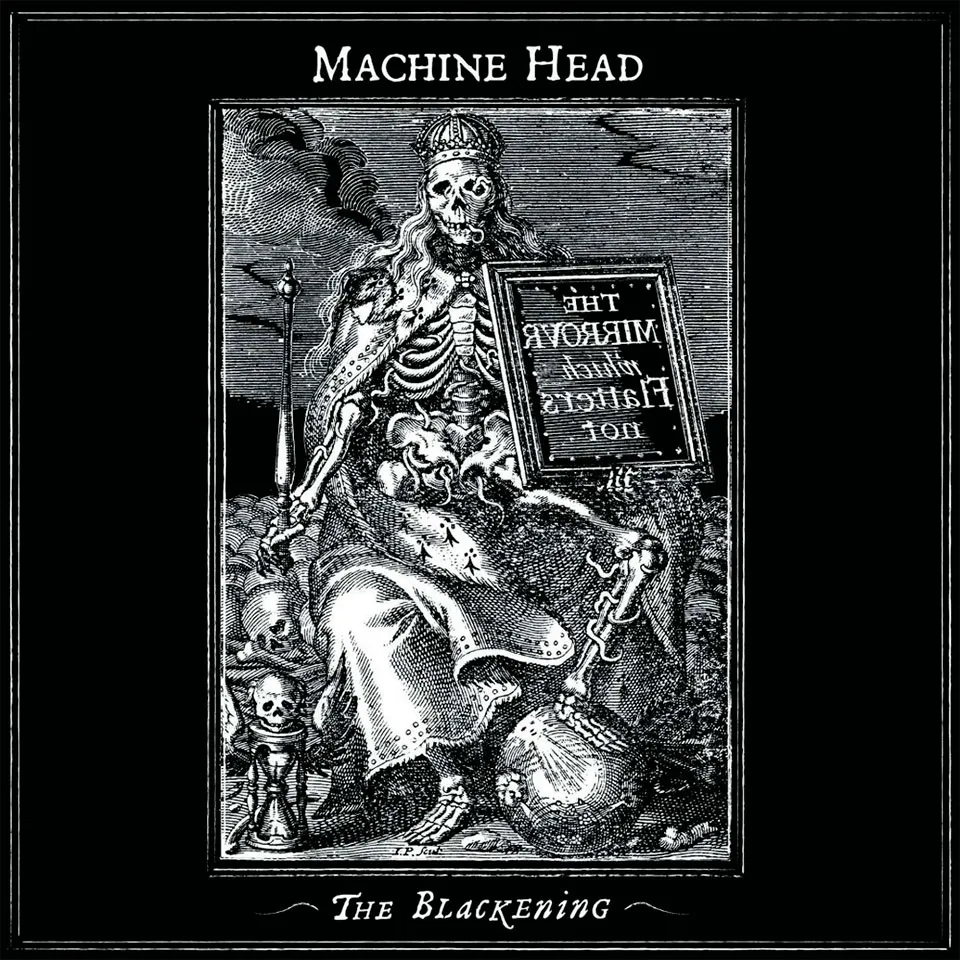
The Blackening by Machine Head
This is the album I discovered Machine Head via, and I don't think they've managed to top it since. There's some unbelievably good writing on display, and the production is tight and crisp. The solo and harmony work here really opened my eyes as a guitarist, and the album contains some of my favourite riffs of all time. It's extremely heavy, and I adore it. Every track is a banger, but there's something about A Farewell to Arms that just hits different.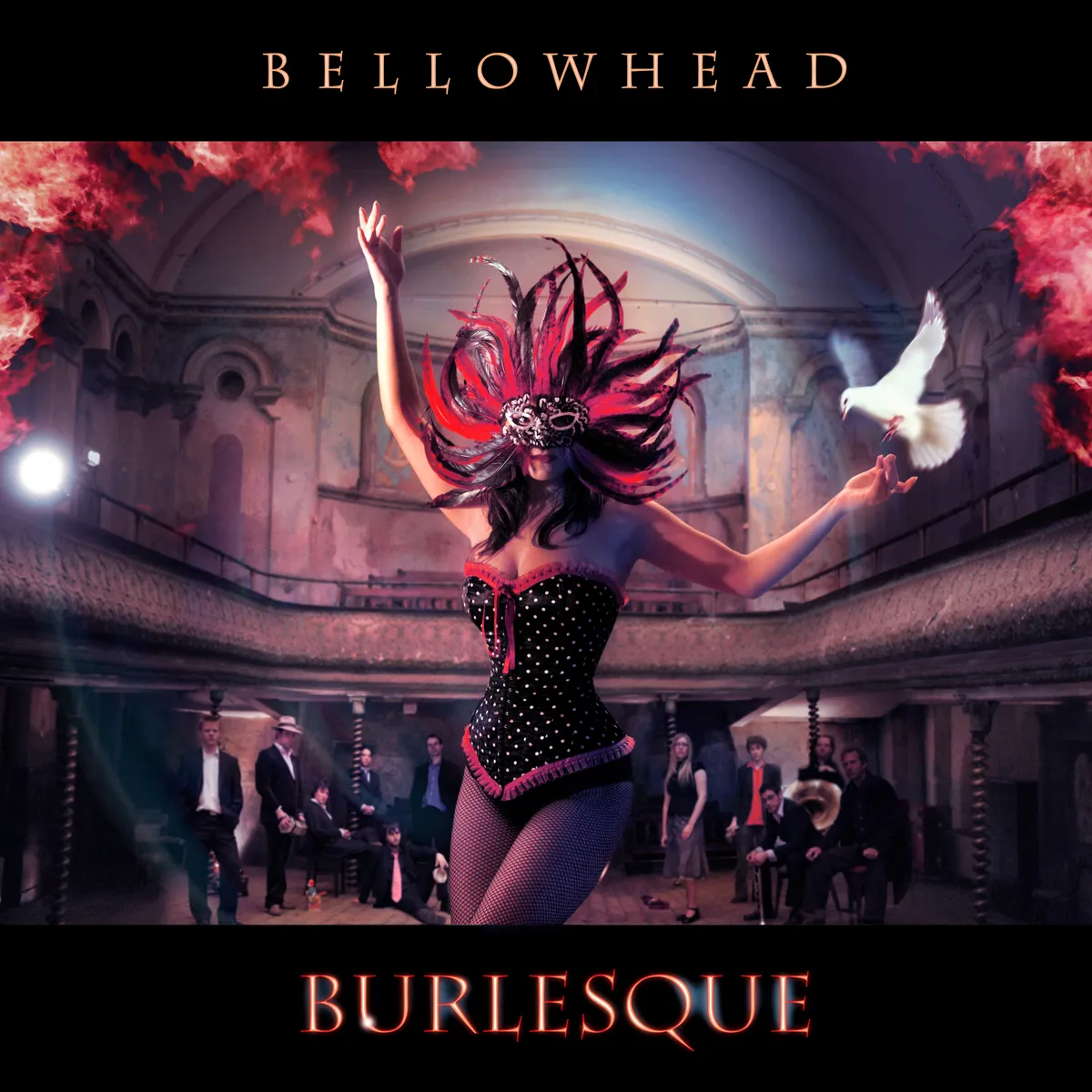
Burlesque by Bellowhead
This might be one of the most metal folk albums I've ever heard. The arrangements of all these traditional songs and tunes are absolutely sublime, with some extremely slick use of non-standard meter. There are still parts of this album that I listen to and have absolutely no idea how they manage to play what they do. The sound is raucous and enormous and every track is a joy. My personal favourite is The Outlandish Knight.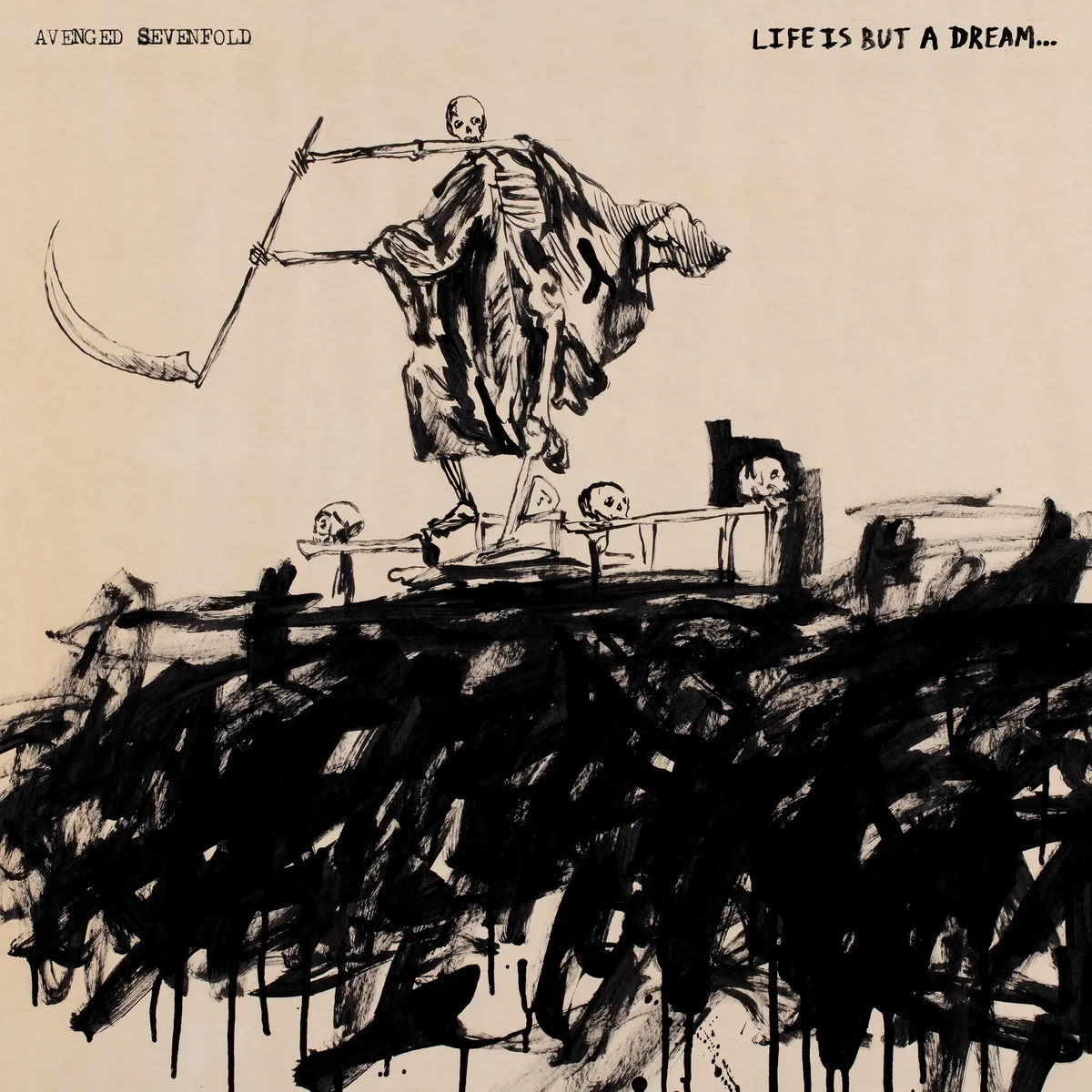
Life Is But A Dream... by Avenged Sevenfold
This album is absolutely jaw-dropping. It's the most experimental work by Sevenfold (presumably down to the quantity of DMT they took while writing it), and it hops genres confidently and expertly. Some of their signature sound is missing, but the astonishing performances from all members of the band are best exemplified in the top track, Cosmic.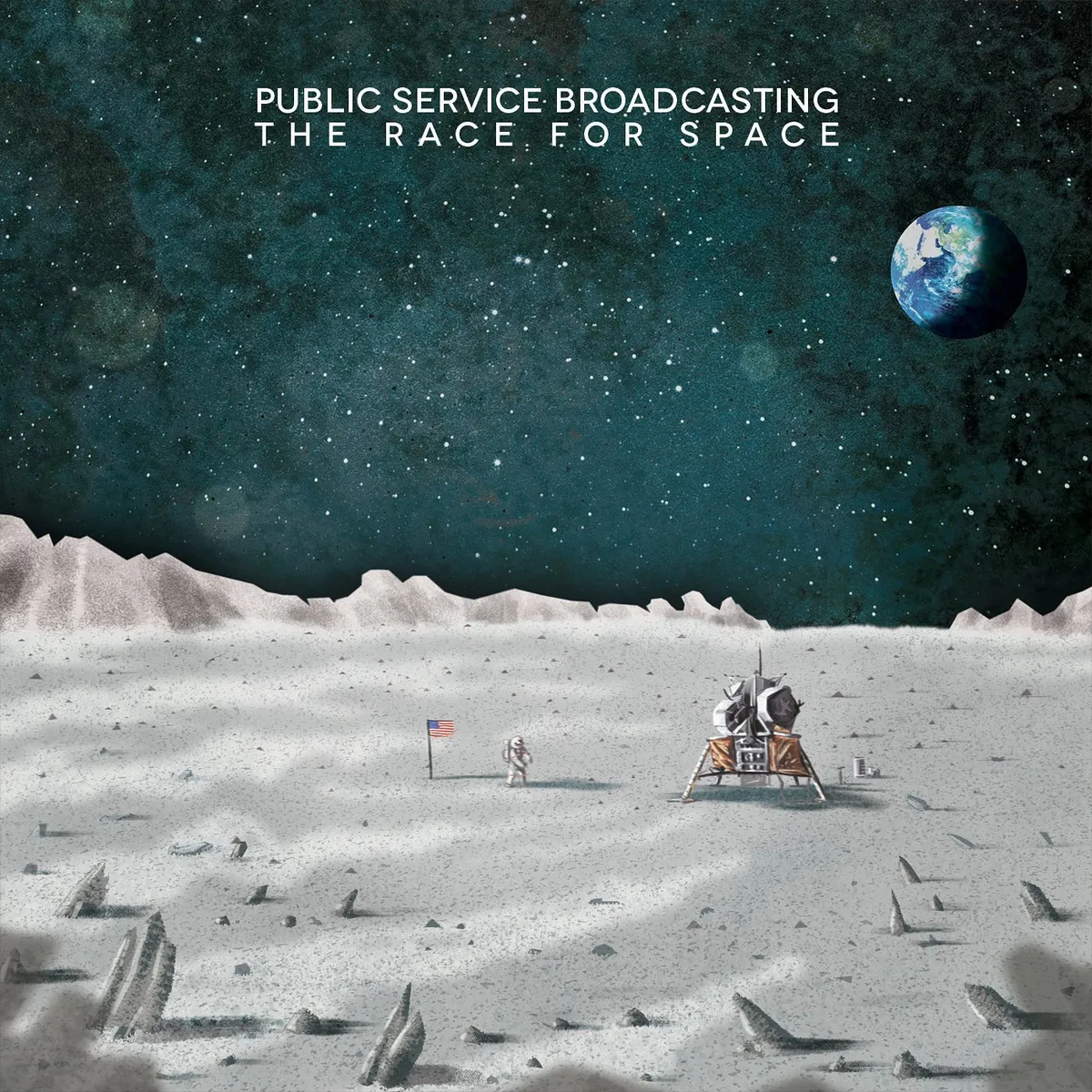
The Race For Space by Public Service Broadcasting
I, like many people (I assume), discovered this album through the long-defunct podcast Hello Internet. The Race for Space takes public-domain recordings of contemporary press conferences, news readings, and NASA control room radio chatter, and carefully puts them over a simply gorgeous art-rock backing track. Perhaps it's an easy pick, but my favourite remains the first single, Go!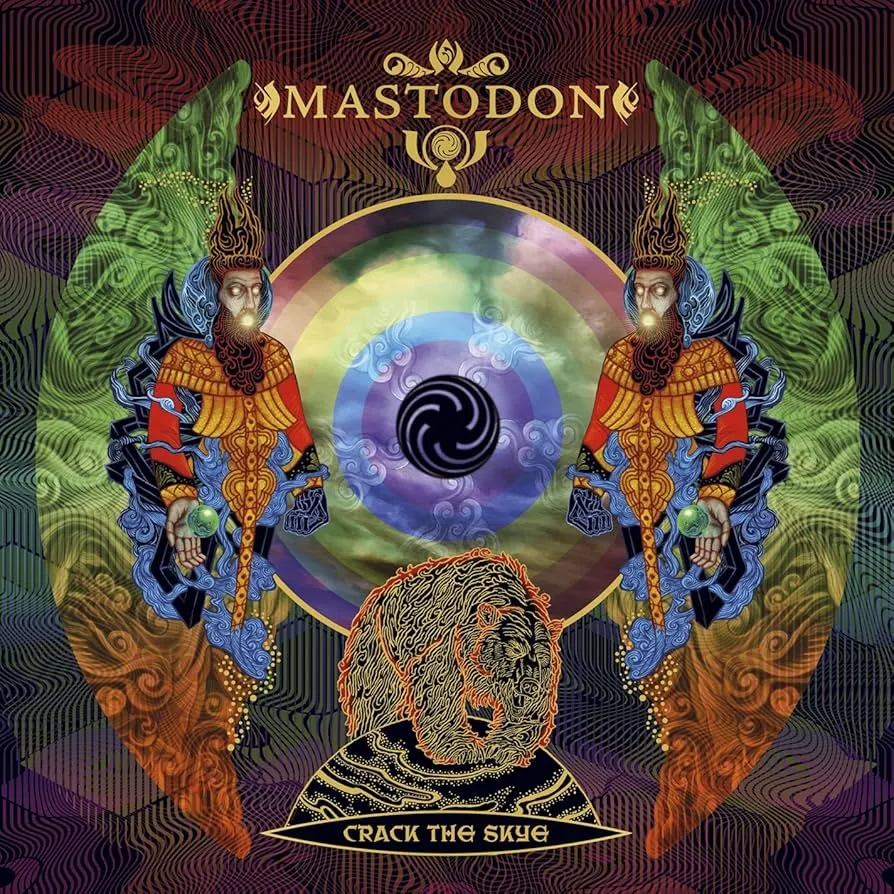
Crack The Skye by Mastodon
I discovered this album through an "album of the year" listicle from 2009, and I struggled initially to get into it. The more I listened, though, the more obsessed I became. The compositional talent on display here is astonishing. Progressive barely begins to cover it, while remaining thoroughly grounded in metal at all times. The guitar work is top notch, and are some of the most fun to play, and the whole concept is utterly bonkers. The Czar is my firm favourite.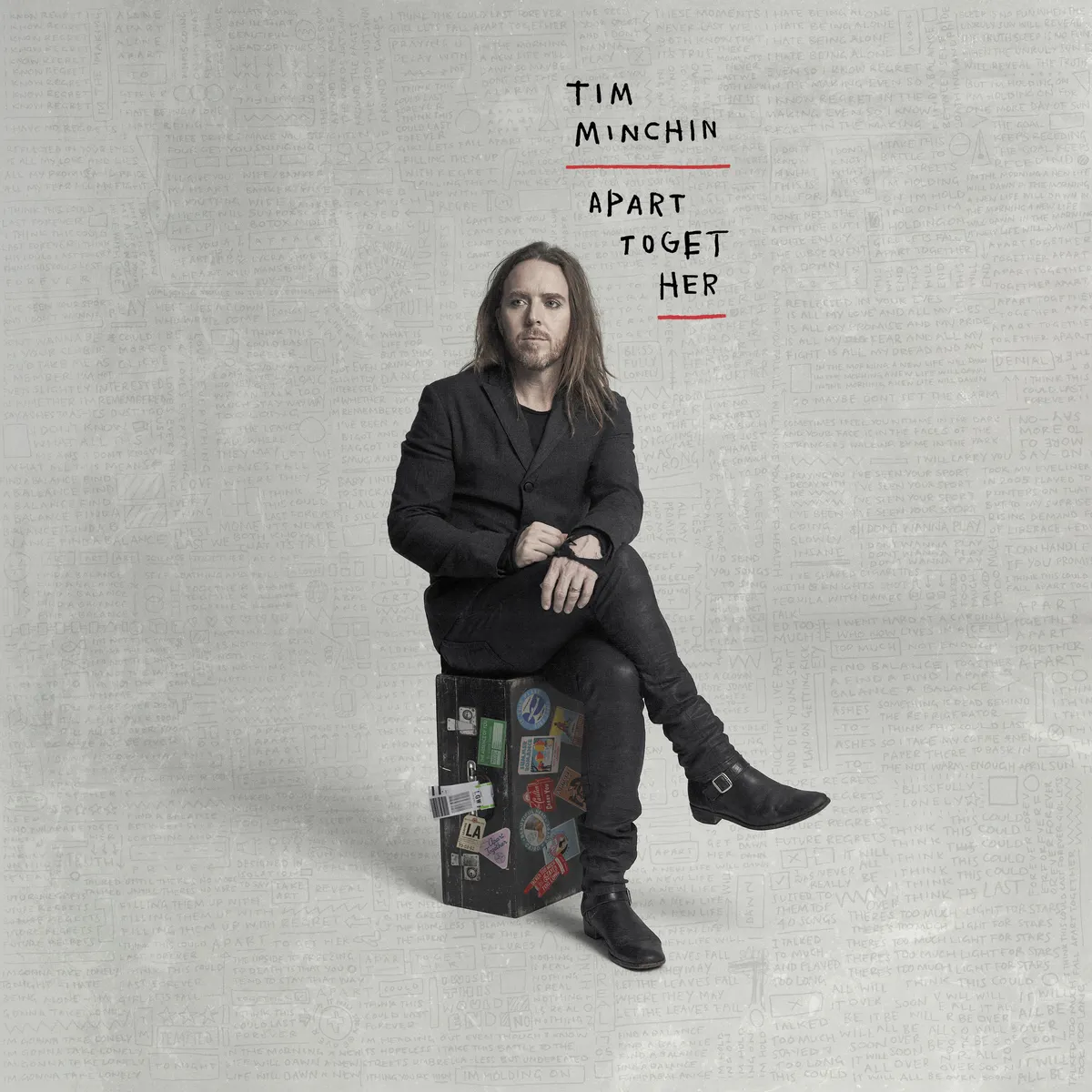
Apart Together by Tim Minchin
I tend to be a music-before-lyrics girlie, but this album's lyrics might be the best I've ever heard. While lacking a little in Minchin's usual chaotic comedy, Apart Together is pure poetry (to be fair, so is a lot of his comedy). The whole thing has an undercurrent of melancholy, even when the songs are groovy and silly. Each one has at least one moment that never fails to stop my in my tracks. Airport Piano remains my favourite, and is constantly in heavy rotation.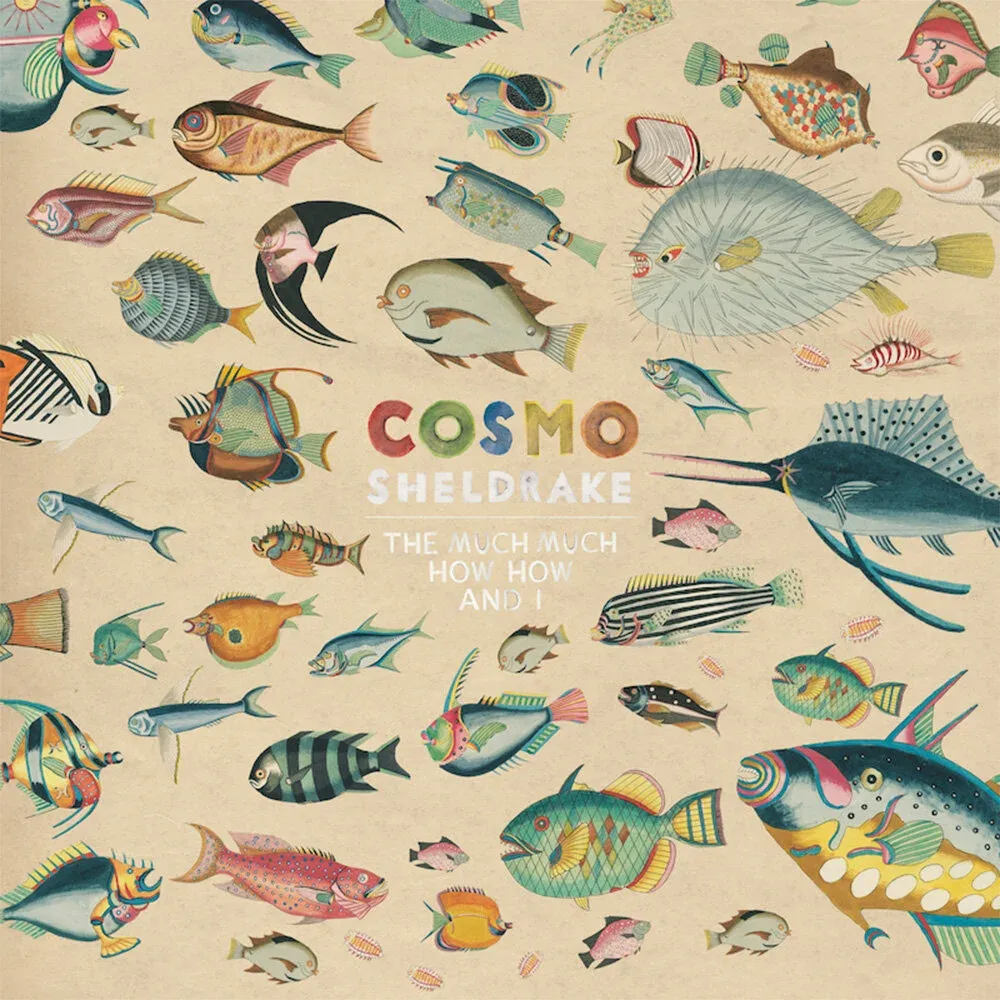
The Much Much How How And I by Cosmo Sheldrake
Cosmo Sheldrake creates a sort of musical Foley, taking recordings of sounds out in the world (or borrowing from existing libraries), and turning them into musical works of subtle brilliance. This is his first full length album, and it is a wonderful listen. His signature "found sound" style saturates every song, and it is just perfection to listen to with a cider on a sunny day. Birthday Suit is short and sweet, and I adore its plodding little bassline.Books
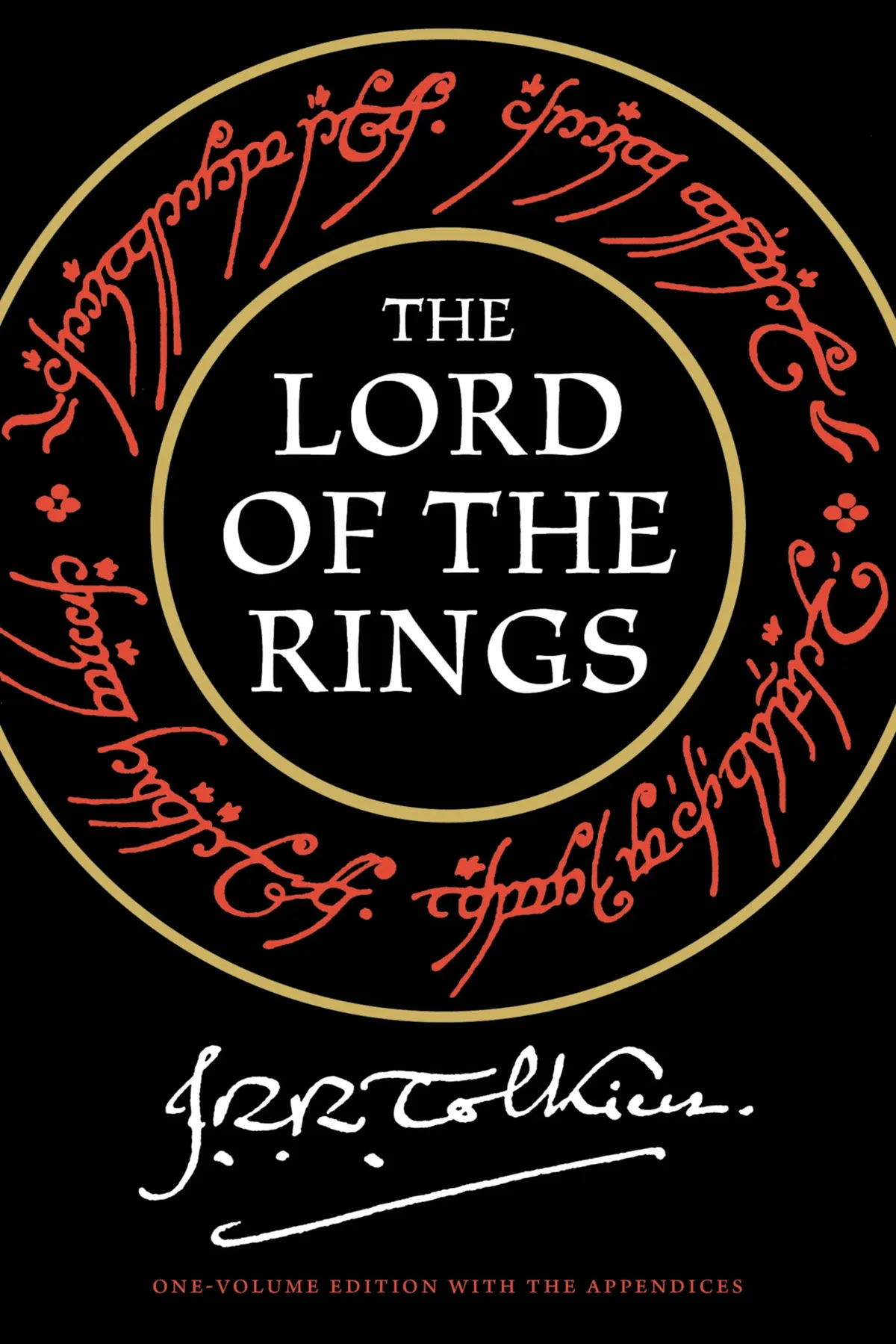
The Lord of the Rings by J.R.R. Tolkien
What kind of nerd would I be if this didn't have a place on my desert island raft? I've long since stopped "reading Lord of the Rings every year," but I do enjoy it every single time I pick it up. After devouring The Hobbit, I discovered The Lord of the Rings through the films, aged 9. It was a brutally challenging read for such a young child, but it was so rewarding. The language, both real and constructed, is beautiful. It has the timbre of the myths and legends I loved to read as a child, and it always manages to surprise me, every time I read it. The Lord of the Rings, like those stories, is morally pretty unambiguous, so reading this book is like getting into a comfy seat with a big cup of tea.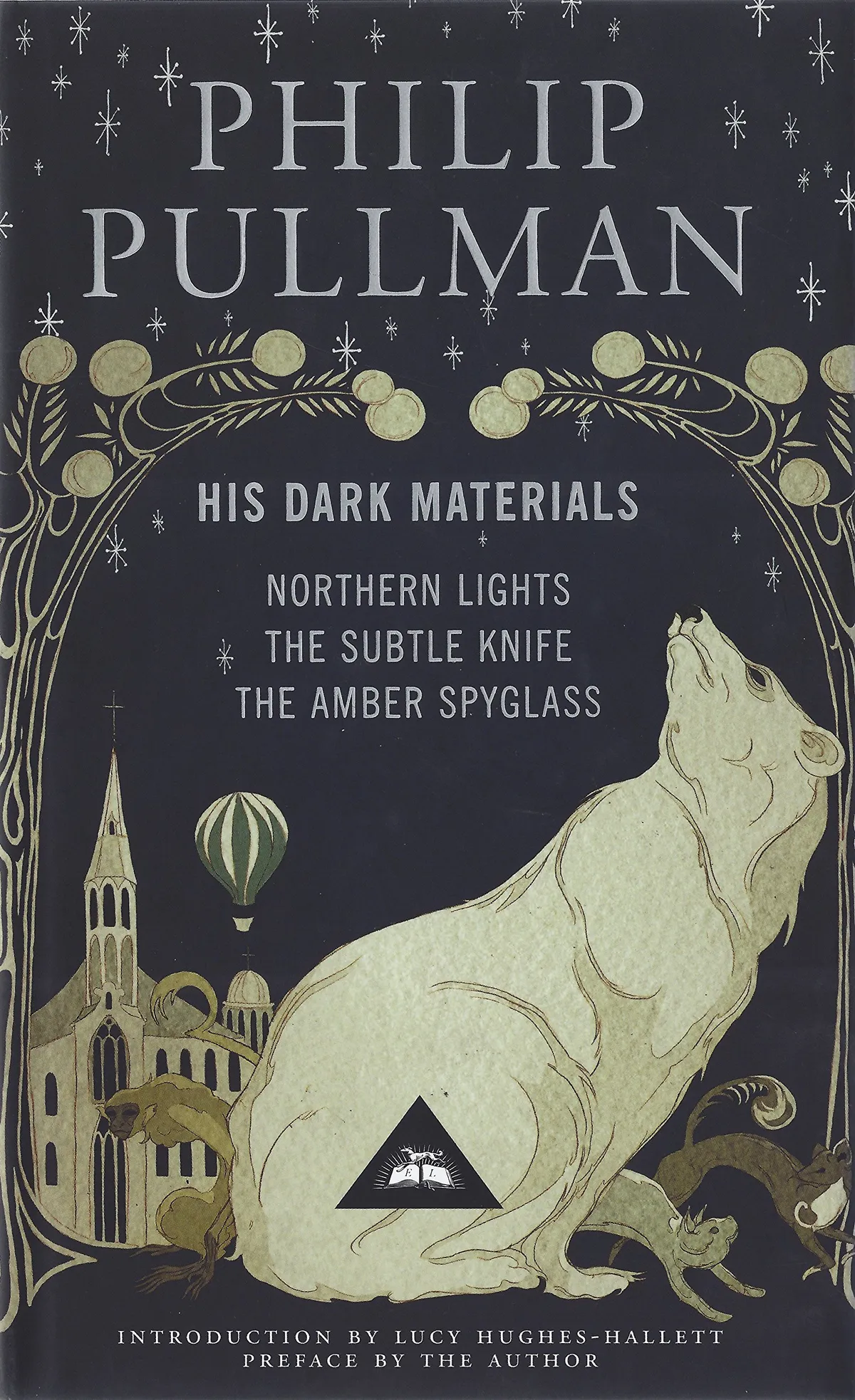
His Dark Materials by Philip Pullman
I first read this book at 21, and I distinctly remember being completely bowled over by the ending. I was sitting in my house-share on the sofa, having finished the book right before dusk. And I just sat and wept while the room darkened around me, unable to stop myself from sobbing at Will and Lyra's fate. Pullman's world is so detailed and imaginative, and the tale is another which has that mythic timbre to it. It's an epic good vs. evil story, and since the protagonists are children it retains that moral directness which I think is critical to good fantasy. If The Lord of the Rings is the Great Work of 20th Century British Fantasy, His Dark Materials must surely be that of the 21st. The audiobook version is also very good.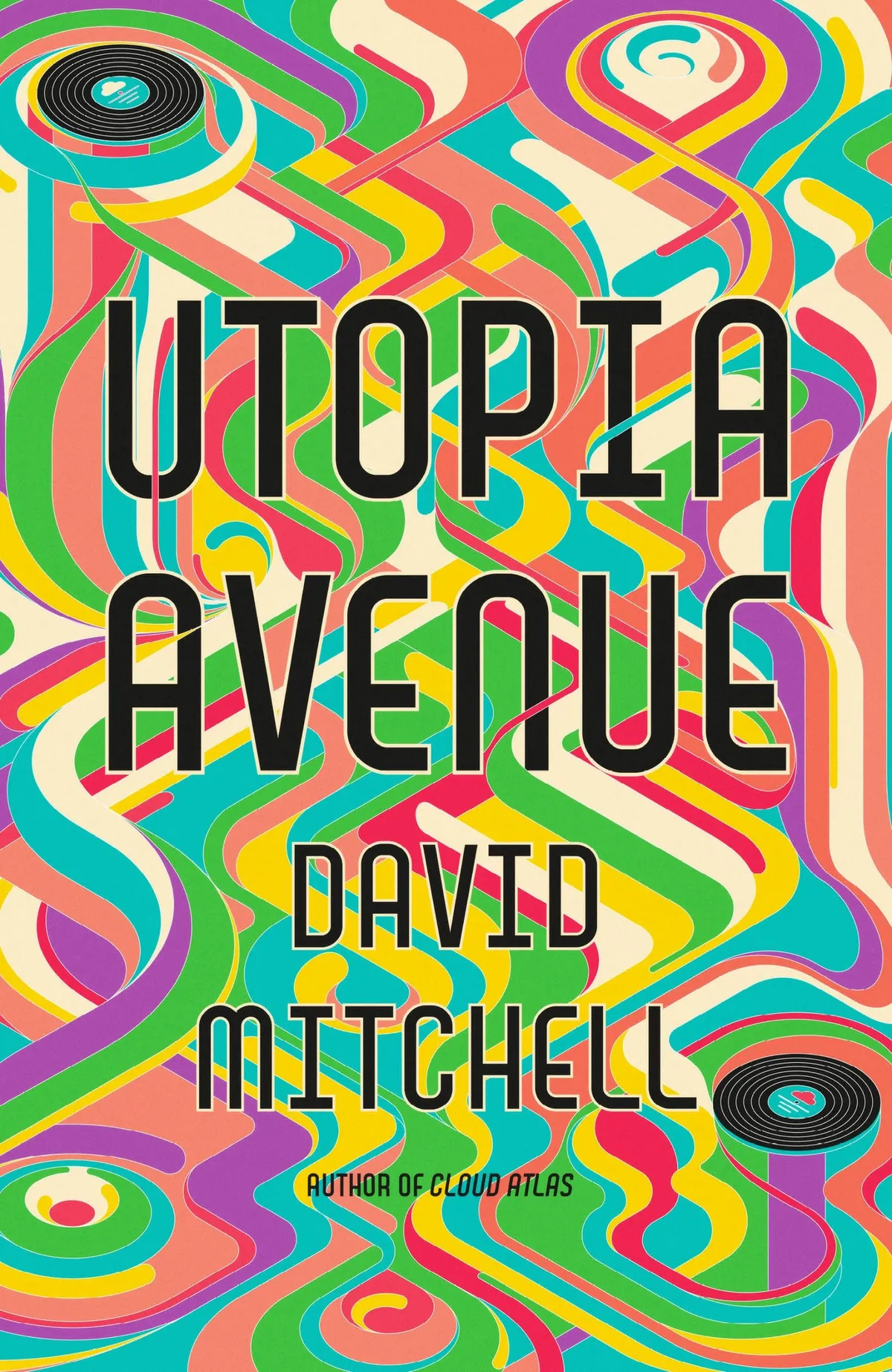
Utopia Avenue by David Mitchell
I adore every word of David Mitchell's which I have read, but this book seemed singularly calculated to stoke my adoration. The tale of a psychedelic folk-rock band in 1960's London, and their rise to prominence, while each of the band members is working through their own challenges. Jasper, the guitar player of the band, is autistic, and I find so many of his point of view chapters extremely relatable. He sounds like an absolutely epic guitarist, too. Throughout the book there are cameos from contemporary artists, and the pages are saturated with conversations about music and creativity. As with most (all?) of Mitchell's work, there is a short fantasy story buried inside this one, and it shines incredibly brightly in my mind. The best entry in his meta-novel, I have no doubt.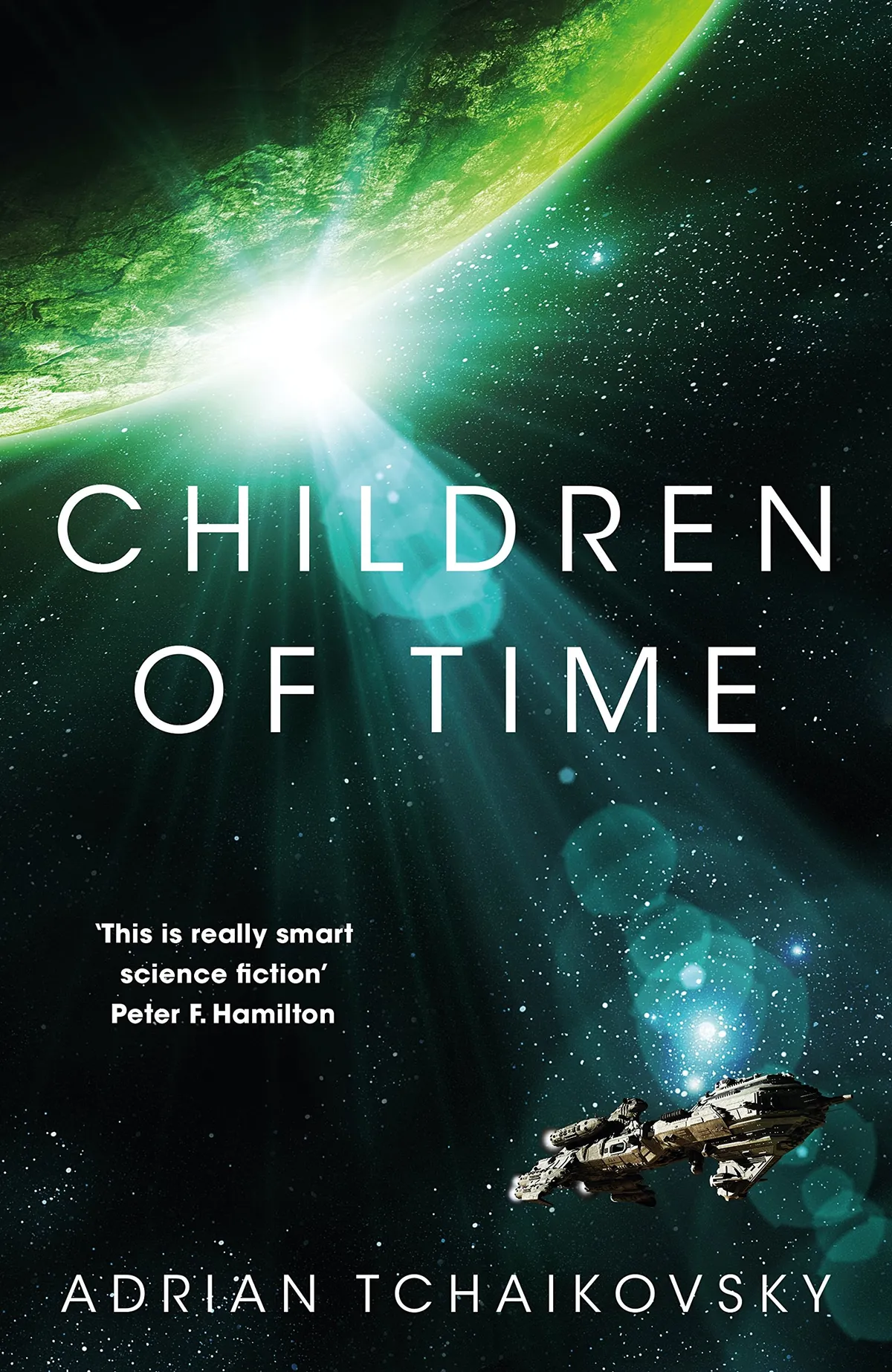
Children of Time by Adrian Tchaikovsky
I read this during the pandemic, on the strong recommendation from a friend (whose recommendations are always excellent). And what an absolutely amazing ride of a story it is. It's a fascinating book that is extremely difficult to put down. The story spans vast swathes of time, in which we read about the last vestiges of a nigh-extinct humanity limp through the stars on a rusty bucket of a ship, while contrasting their plight with the rise in civilisation of a very alien, but very familiar species. The book deftly handles small philosophical ideas such as immortality, gender politics, how to communicate with a god, survival at all costs, and the price of technology. It is some of the best science fiction I have ever read.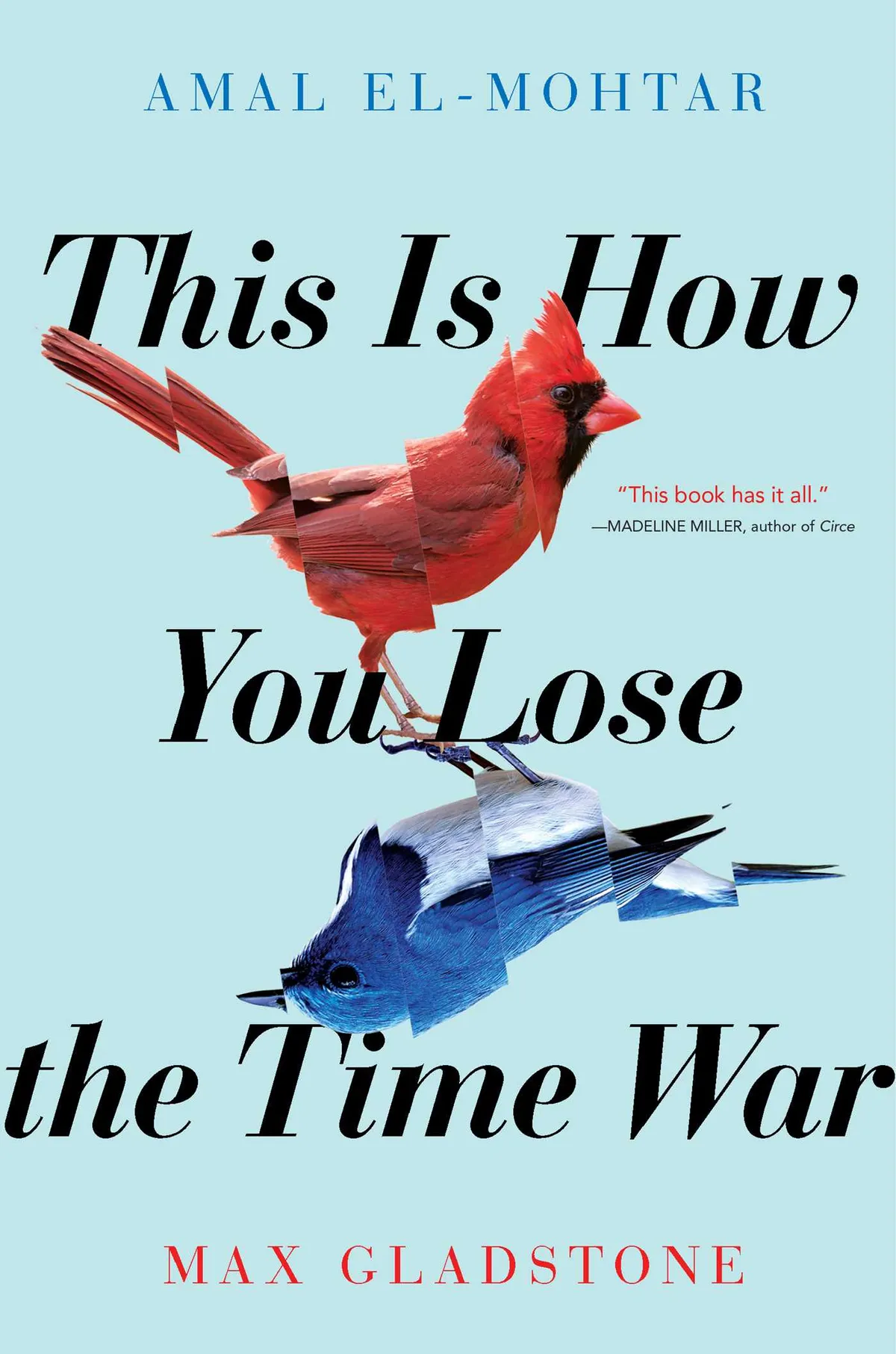
This is How You Lose the Time War by Amal El-Mohtar & Max Gladstone
I must have read this book in about a day. It's not long, and it clips along at a wonderful pace. And it is some of the most beautiful prose I have ever read. An epistolary that recounts the love story between the agents of two opposing sides in a galaxy-spanning time war, called simply Red and Blue. They leave their missives for each other hidden throughout time and space, in ever more esoteric and delightful ways, and the ways they address their writing to each other is utterly poetic. I've stolen a thing or two from this book for my own letter-writing!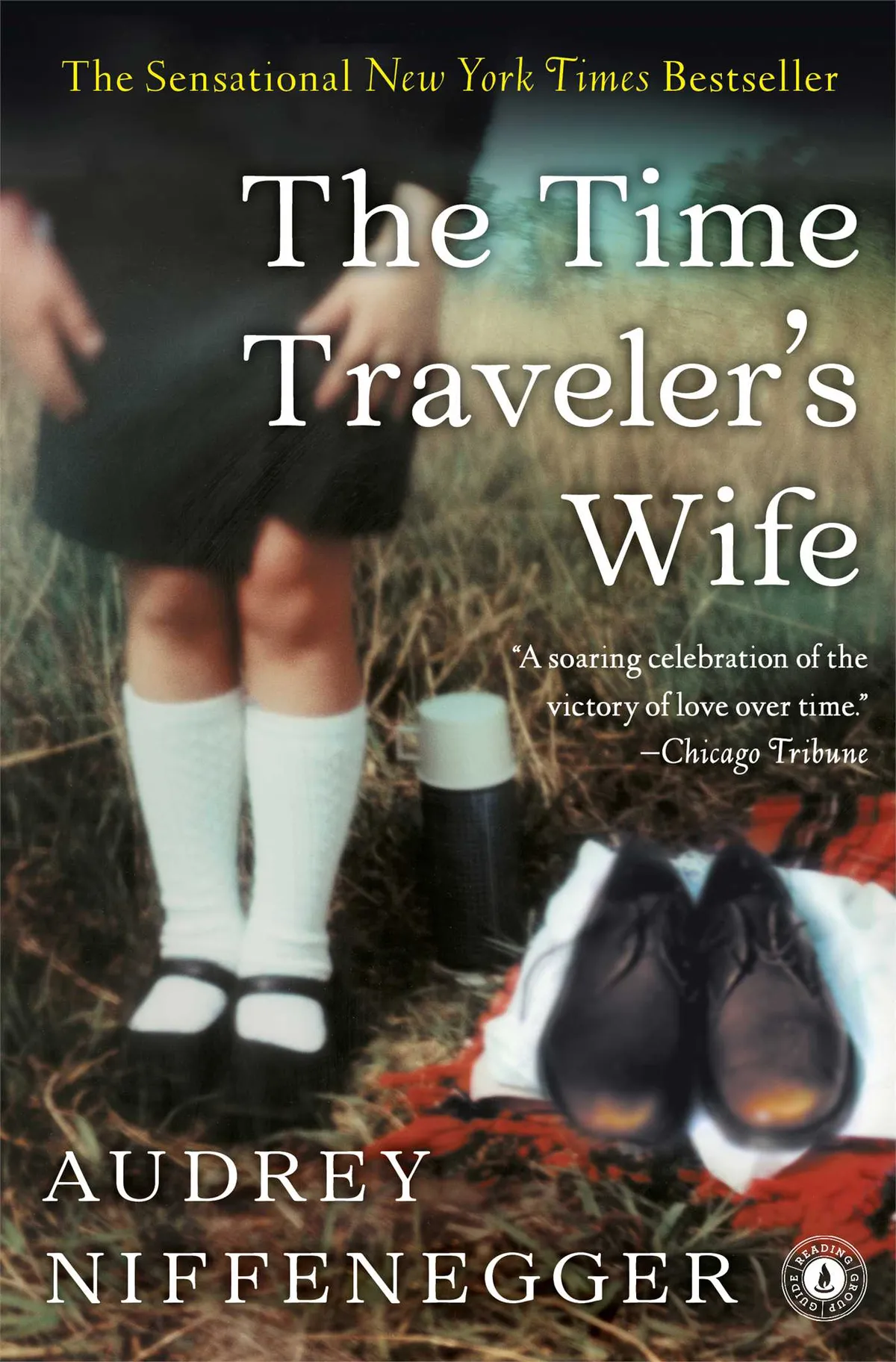
The Time Traveller's Wife by Audrey Niffenegger
This was a gift from a friend, and the epigraph he wrote in the cover was "one of my favourite books, for one of my favourite people." At the time I didn't expect this to also become one of my own favourites, but it's a truly wonderful romance. The book moves inexorably toward a bittersweet ending (which I always think is more bitter than sweet), and tells the comparatively small story of a time-travelling man falling in love. The mechanics of the time travel are barely explained, and they don't need to be; that's not the point of the story. The point is the meditation on inevitability, and on knowing what the future holds without being able to change it, and how one can still live a fulfilled life in those circumstances.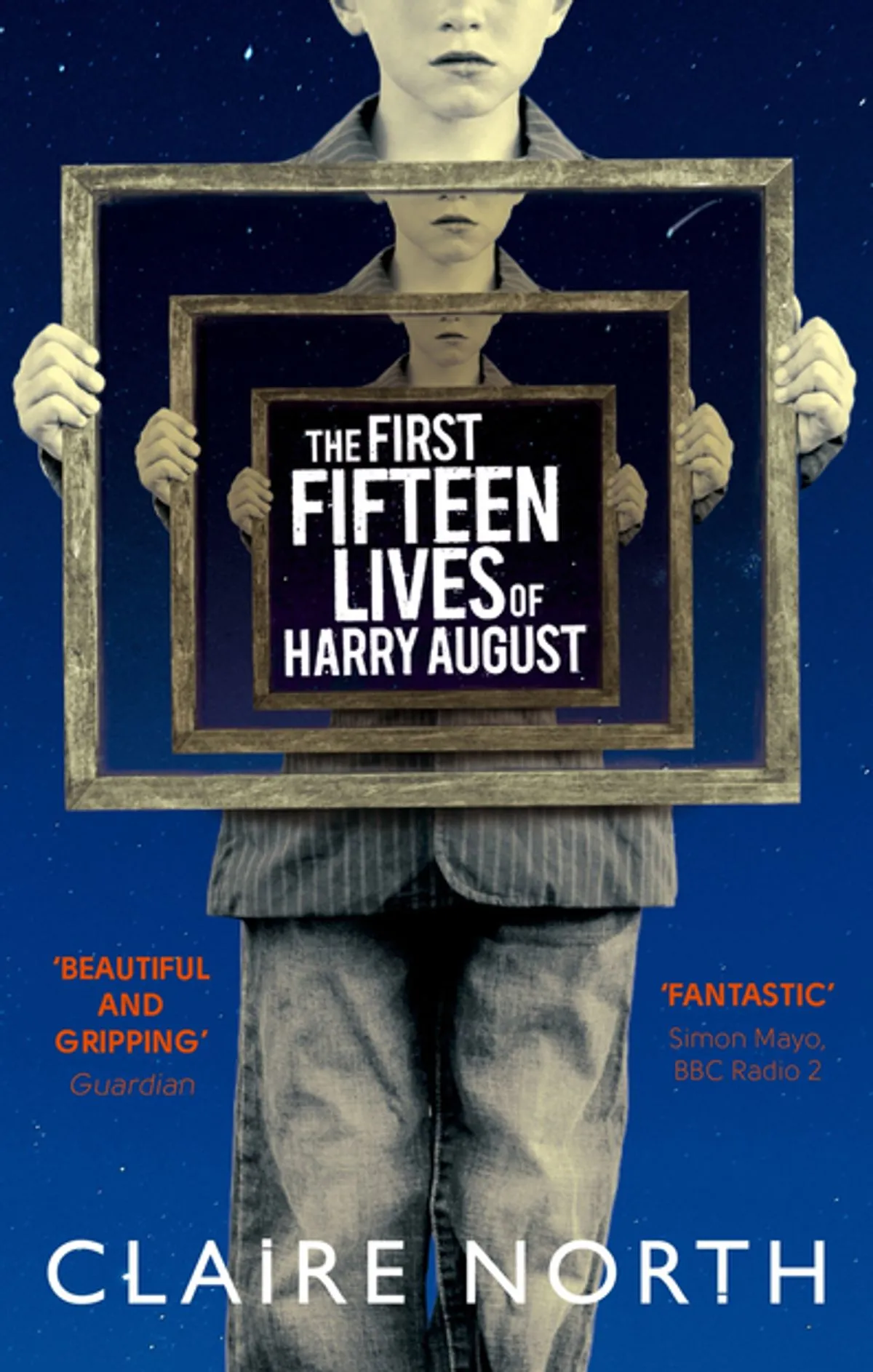
The First Fifteen Lives of Harry August by Claire North
Another story with timey-wimey elements, this one was suggested to me by my dad a good few years ago, and I loved it. It's the story of a man who lives his life on repeat, but with all the memories of his previous incarnations, and his discovery of a community of people who experience the same death/rebirth cycle. Hopping between the titular Harry's different lives with great pace and speed, the author recounts a tale of espionage, friendship, transcendent love, and ambition. It has a very James Bond kind of feeling to it, and is just a really cool idea for a story, and one that scratches all sorts of narrative itches inside my head.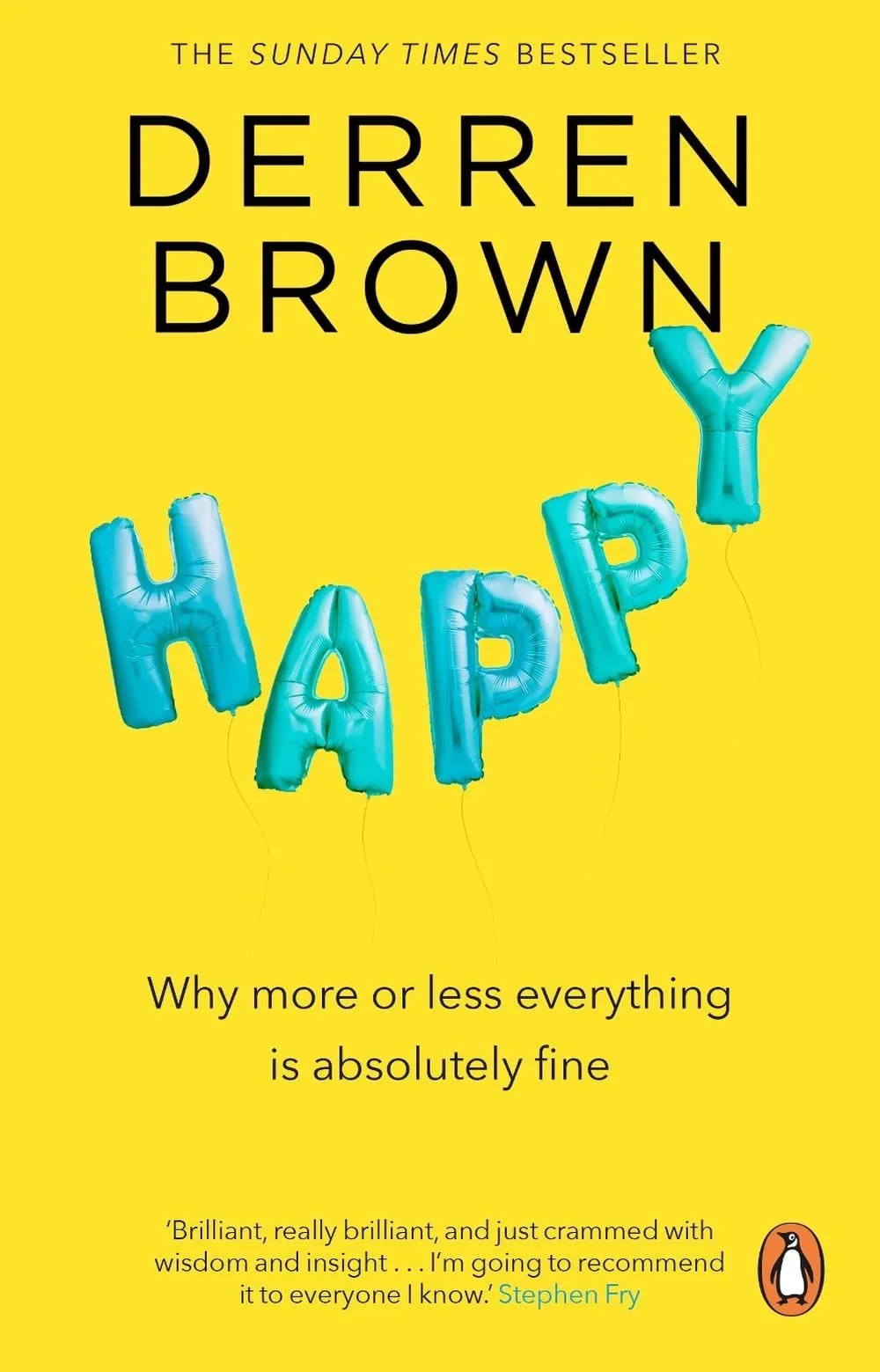
Happy by Derren Brown
The only non-fiction book on this list is a book on philosophy by none other than Derren Brown, the famous British mentalist and magician. It is a meditation on what it means to be happy, and how to live a good life. The book centres its thesis around the ideas of stoic philosophy, and encourages the reader to focus on their own locus of control (as opposed to worrying about things beyond our ability to manipulate). The telling is straightforward, but Brown's writing is delightful to read; as though he were in quiet conversation with you over a coffee in a small cafe. The last section is a long contemplation on how to die well, with grace and dignity, and it is incredibly moving. This book in part gave me the conviction to finally come out.Last modified 3 months ago.